Start a Conversation
Hi! Click one of our member below to chat on WhatsApp
The team typically replies in a few minutes.
Dental Implants vs Bridges: Key Differences Explained




Have you noticed how a missing tooth can affect more than just your smile? Over time, it can make eating less comfortable, change the way you speak and allow nearby teeth to move out of place.
The good news is that modern dentistry offers reliable tooth replacement options, such as dental implants and bridges. These treatments can help restore function, support your bite and make smiling, chewing and speaking feel more comfortable again.
Why Should Missing Teeth Be Replaced?
Even a single missing tooth can have long-term effects on your oral health. When a gap is left untreated, nearby teeth may gradually shift into the space, which can change your bite and make cleaning harder.
At the same time, the jawbone beneath the missing tooth may begin to shrink because it no longer receives stimulation from the tooth root. Replacing missing teeth early helps support proper chewing, maintain facial structure and reduce the risk of further dental problems.
What Are Dental Implants?
A dental implant is a small titanium post that is surgically placed into the jawbone to act as an artificial tooth root. Over time, the implant fuses with the surrounding bone in a process called osseointegration, creating a strong and stable foundation for a replacement tooth.
Once healing is complete, a custom-made crown is attached to restore the appearance, shape and function of the missing tooth. Dental implants can replace one tooth, several teeth, or support a full arch of replacement teeth. Because they stand independently, dental implants usually do not rely on neighbouring teeth for support. This helps preserve the structure of nearby healthy teeth while restoring the missing tooth.
What Are Dental Bridges?
A dental bridge replaces one or more missing teeth by suspending an artificial tooth between neighbouring teeth or implants. Traditional bridges are supported by dental crowns that are placed on the adjacent natural teeth.
Dental bridges provide a fixed solution that restores chewing ability and aesthetics without requiring implant placement. They may be suitable when the supporting teeth already require crowns or when implant treatment is not appropriate.
Dental Implants vs Bridges: Key Differences
Understanding the main differences between dental implants and bridges can help you decide which option may suit your needs. While both restore missing teeth, they differ in how they are placed, how they support chewing function and how they affect the surrounding teeth and jawbone.
Treatment Procedure
Dental implants require a minor surgical procedure, where the implant is placed into the jawbone to act as a replacement tooth root. After the area heals and the implant bonds with the bone, a final crown is attached to complete the new tooth.
Dental bridges do not involve implant surgery. Instead, the teeth beside the gap are shaped to support the bridge, impressions are taken, and the finished bridge is permanently fixed in place.
Appearance and Function
Both dental implants and bridges are designed to resemble natural teeth.
Dental implants closely replicate the structure of a natural tooth by replacing both the root and the visible crown. They provide a stable chewing function and help maintain the underlying jawbone.
Dental bridges also restore appearance and function effectively. However, because they do not replace the tooth root, they cannot prevent bone loss beneath the missing tooth.
Longevity
With proper care and regular dental reviews, dental implants can remain functional for many years. However, the crown attached to the implant may need replacement over time due to normal wear.
Dental bridges are also durable, but they may not last as long as implants. Their lifespan often depends on oral hygiene, the condition of the supporting teeth and the pressure placed on them during daily biting and chewing.
Recovery Time
Dental implant treatment usually takes several months because the implant needs time to bond with the jawbone before the permanent restoration is attached. While this requires more time, it helps create a stable foundation for long-term tooth replacement.
Dental bridges usually have a shorter treatment timeline because they do not require implant placement or a bone-healing period.
Oral Hygiene Requirements
Good oral hygiene is important for both dental implants and bridges. Dental implants should be brushed and flossed daily, just like natural teeth, with regular dental maintenance to keep the surrounding gums healthy.
Dental bridges also need daily cleaning, especially beneath the artificial tooth where food particles and plaque can build up. Special floss or interdental brushes may be recommended to clean these areas properly.
Which Treatment May Be More Suitable for You?
There is no single solution that suits every patient. In general, a dental implant may be appropriate if you have sufficient jawbone, healthy gums and are looking for a long-term replacement that does not involve neighbouring teeth. Patients with insufficient jawbone may still be suitable for dental implants after additional procedures such as bone grafting, depending on their individual condition.
On the other hand, a dental bridge may be considered if you prefer a shorter treatment time, are not suitable for implant surgery or have adjacent teeth that already require crowns.
Ultimately, a personalised assessment is essential to determine the best-suited option for you. During the consultation, our team will evaluate several factors such as:
- The number and location of missing teeth
- Your jawbone condition
- Your overall oral health
- Your medical history
- Your treatment preferences and budget
Let Us Guide You Through Your Options
Choosing between dental implants and bridges is an important decision, but you do not have to make it alone.
At SEPA Dental, our dentists take the time to assess your oral health, explain the benefits and limitations of each treatment and develop a personalised treatment plan based on your individual needs. Our goal is to help you restore your smile with a solution that supports your long-term oral health.
If you are considering replacing missing teeth, schedule a consultation with our team to discuss your options and receive professional advice tailored to your situation.
Frequently Asked Questions

Dr Allen Teh
Founder & Director
DDS (MAHSA)
M.Sc. Implantology (Germany p.1)
Key Opinion Leader in Implant Dentistry (Straumann, Neodent Group)
Welcome to SEPA Dental, a dental clinic that redefines the traditional dental experience with a spa-like touch. Our journey began with a vision to transform the conventional dental experience into a serene oasis, where patients can find solace and relaxation while receiving exceptional dental care.
Quicklinks
Contact Us

SEPA Dental - Publika, Mont Kiara
A2-UG1-2, Publika Shopping Gallery, Jln Dutamas 1, Solaris Dutamas, 50480 Kuala Lumpur

SEPA Dental - TTDI, KL
B-1-11, TTDI Plaza, Jalan Wan Kadir 3, Jln Damansara, Taman Tun Dr Ismail, 60000 Kuala Lumpur
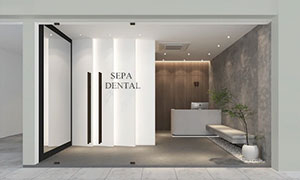
SEPA Dental - Bukit Jalil
E-5-1, Pusat Perdagangan Bandar Bukit Jalil, Persiaran Jalil 1, 57000, KL

SEPA Dental - Desa Park City
Block D-G-13, Plaza Arkadia, No. 3, Jalan Intisari Perdan, Desa Parkcity, 52200 Kuala Lumpur.
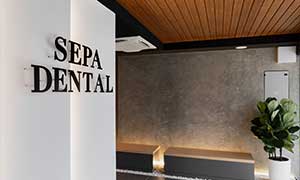
SEPA Dental - SS2, Petaling Jaya
83, Jalan SS 2/75, SS 2, 47300 Petaling Jaya, Selangor

SEPA Dental - Subang Jaya
8, Jalan SS 14/1, Ss 14, 47500 Subang Jaya, Selangor

SEPA Dental - Bandar Puteri, Puchong
No 32A (Ground Floor), Jalan Puteri 1/4, Bandar Puteri, 47100 Puchong, Selangor

SEPA Dental - Klang Bukit Raja
No. 10, Jalan Astaka 1D/KU2, Bandar Bukit Raja, 41050 Klang, Selangor.
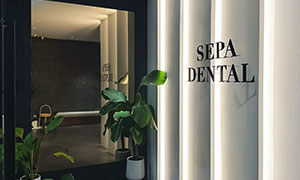
SEPA Dental - Seremban
12 (Ground Floor), Jalan KS 1, Kepayang Sentral, 70200 Seremban, Negeri Sembilan
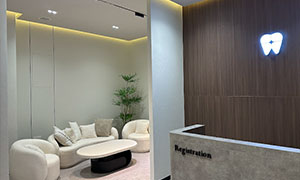
SEPA Dental - Eco Botanic
NO 37-GF, Jalan Eko Botani 3/4, Taman Eko Botani, 79100 Iskandar Puteri, Johor Darul Ta'zim

SEPA Dental - Mount Austin
49-GF, Jalan Austin Heights 8/1, Taman Mount Austin , 81100 Johor Bahru
SEPA Dental - Sutera Utama, Skudai
41, Jalan Sutera Tanjung 8/3, Taman Sutera Utama, 81300, Skudai, Johor
SEPA Dental Holdings Sdn Bhd
202201018177 (1463874-V)